@Sophiehustwick
Introduce yourself and say where you’re from.
My name is Sophie Hustwick, and I am a British photographer. I got into film photography through my father and shot and developed my first roll of film nearly 20 years ago, which is where it all began for me.
What keeps you committed to shooting film in 2026?
Everything is fast and instant these days, but film moves in a completely different rhythm. It’s never been about convenience or speed for me, and it isn’t the easiest or cheapest way to work, but it’s always held my attention in a way nothing else has. It’s something I’ve loved since I was a child, and that connection has never left me. Even now, it still feels exciting every time I finish a roll. That sense of anticipation and unpredictability is what keeps me committed to it.
What makes a certain colour feel emotionally powerful in a photograph?
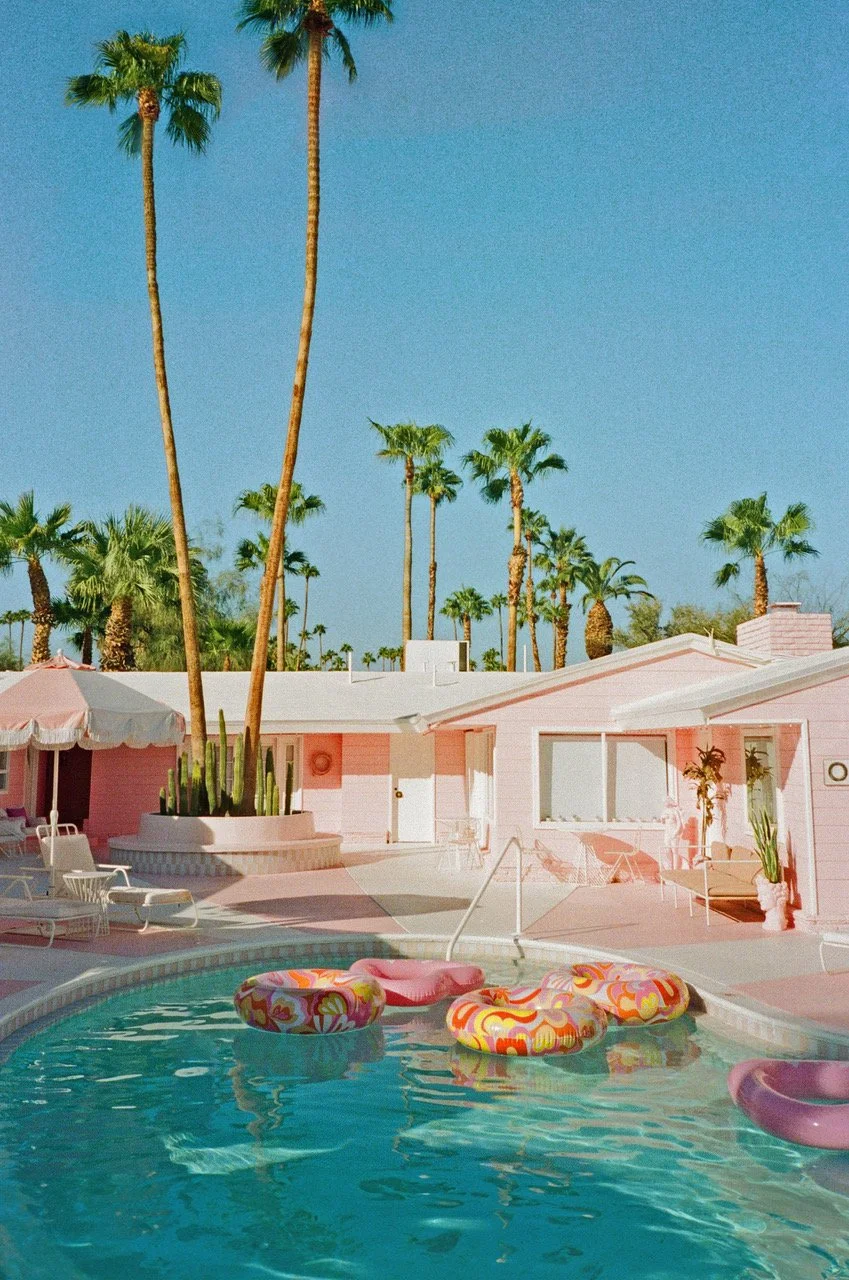
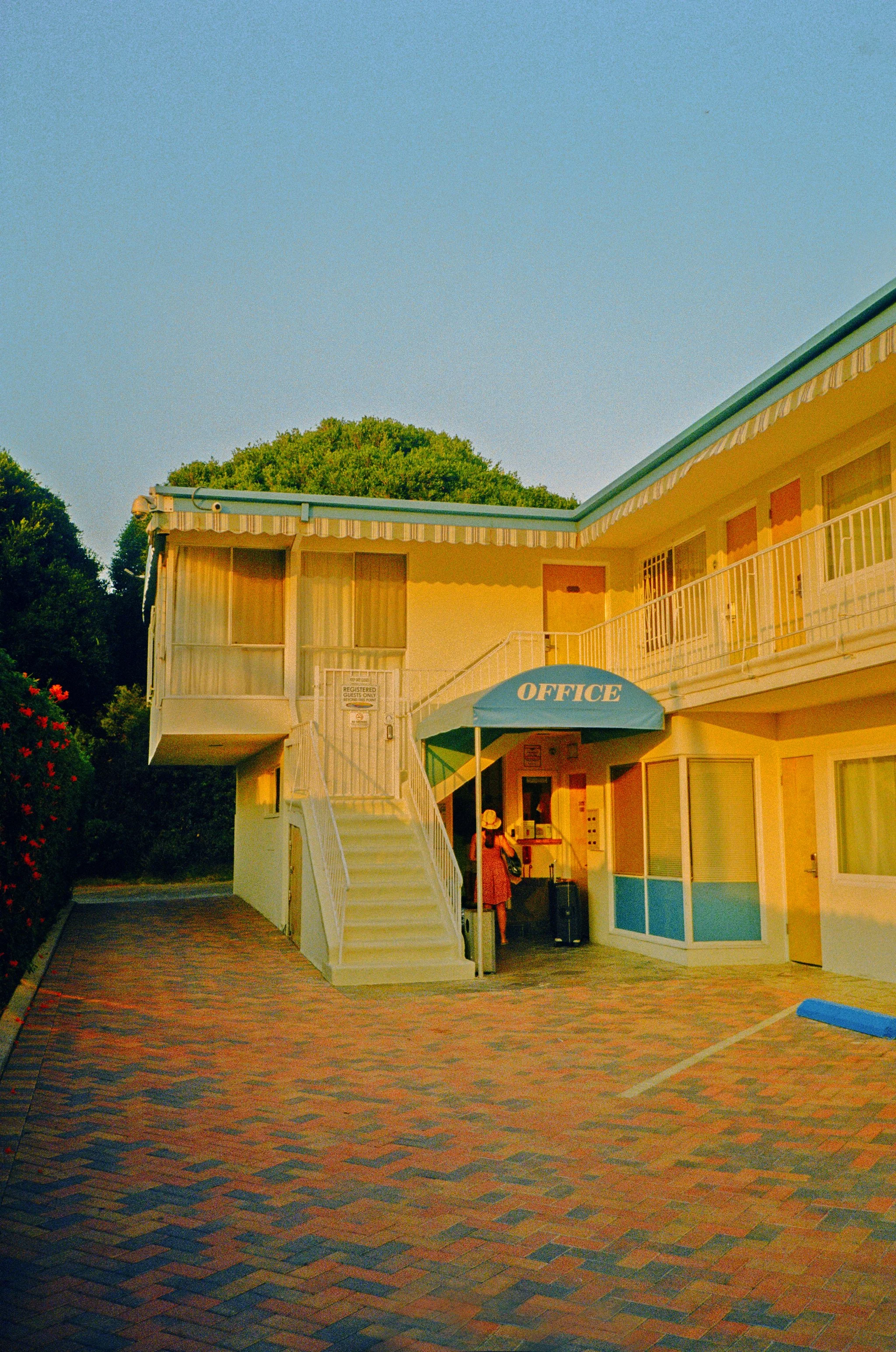
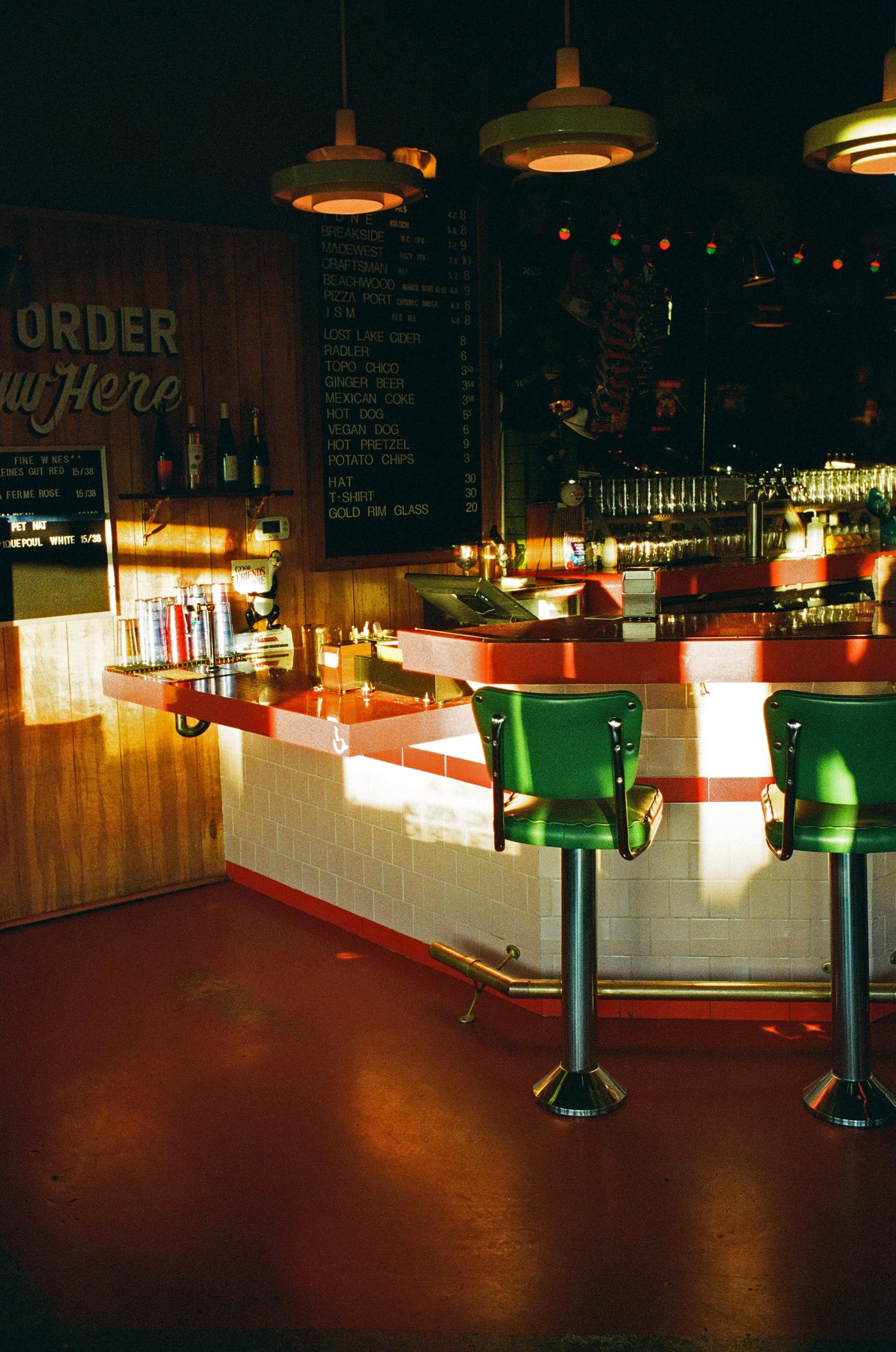
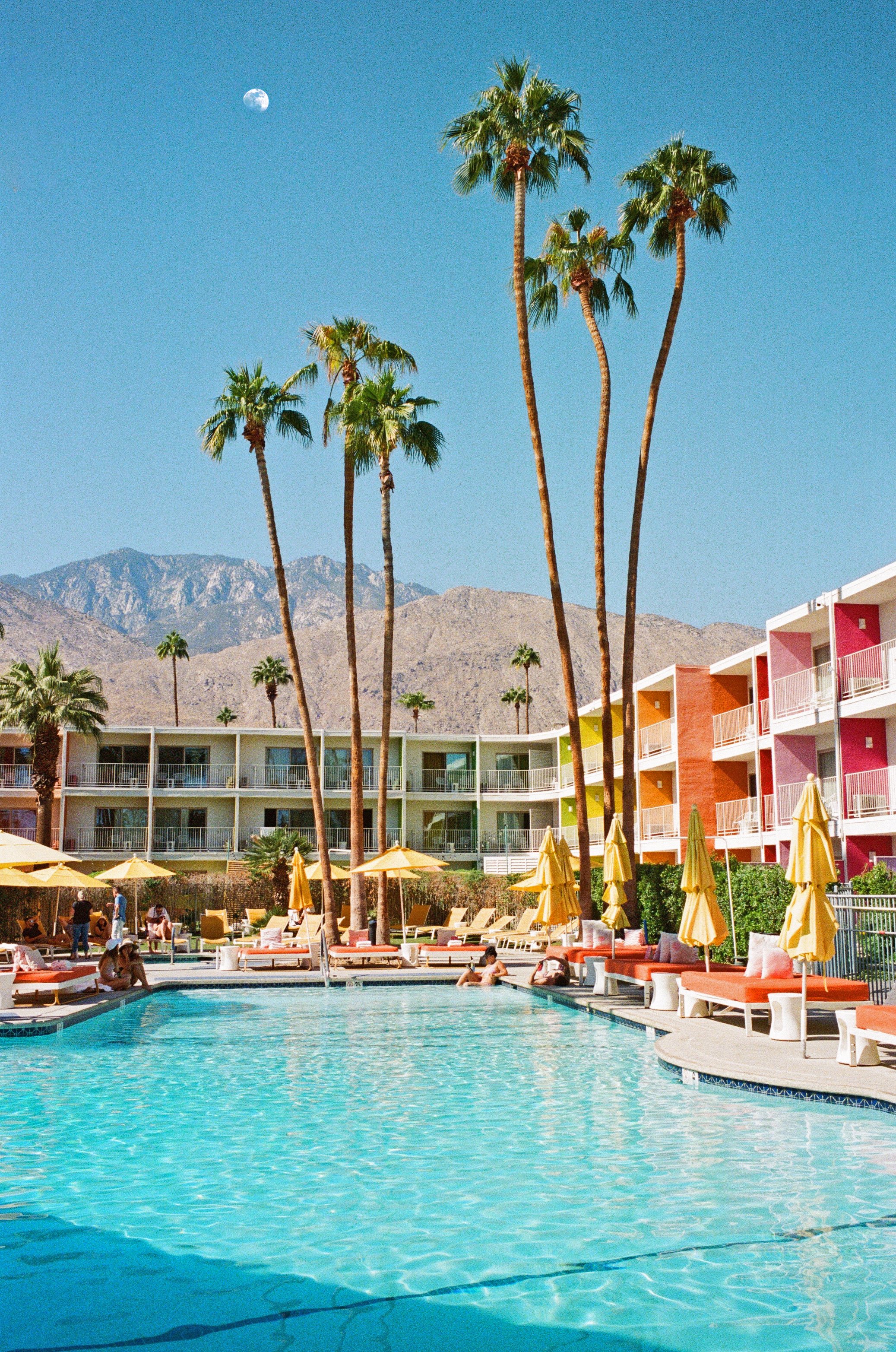
Colour is such a powerful tool when creating a story within an image. A colour becomes emotionally powerful when it sits in the right atmosphere. The same shade can feel completely different depending on the light and surroundings. I’ve always enjoyed the quiet contradiction of seeing a colour where you wouldn’t expect it. When a composition is quiet, colour naturally becomes more present.
What’s something people overlook daily that you love photographing?
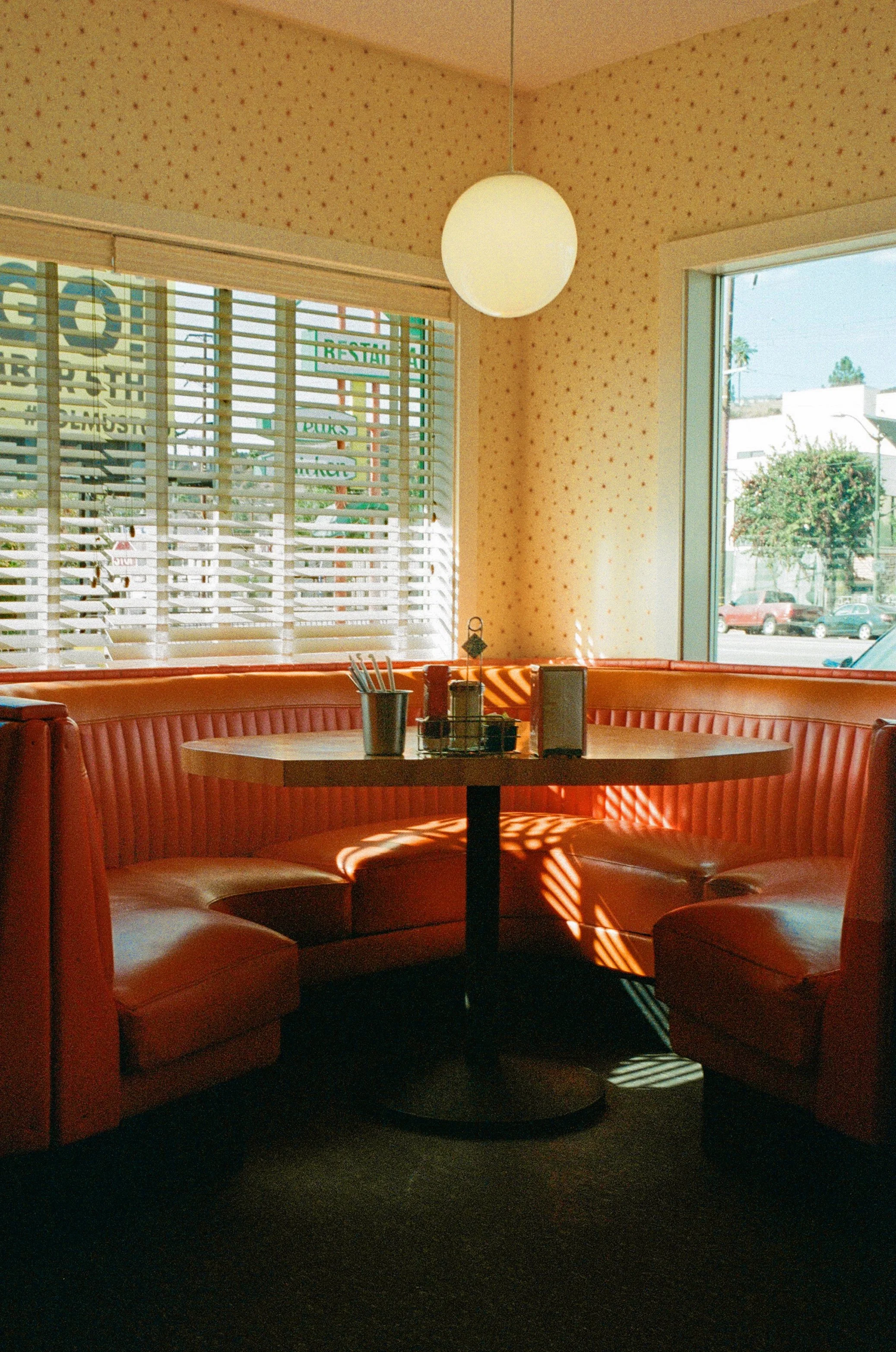
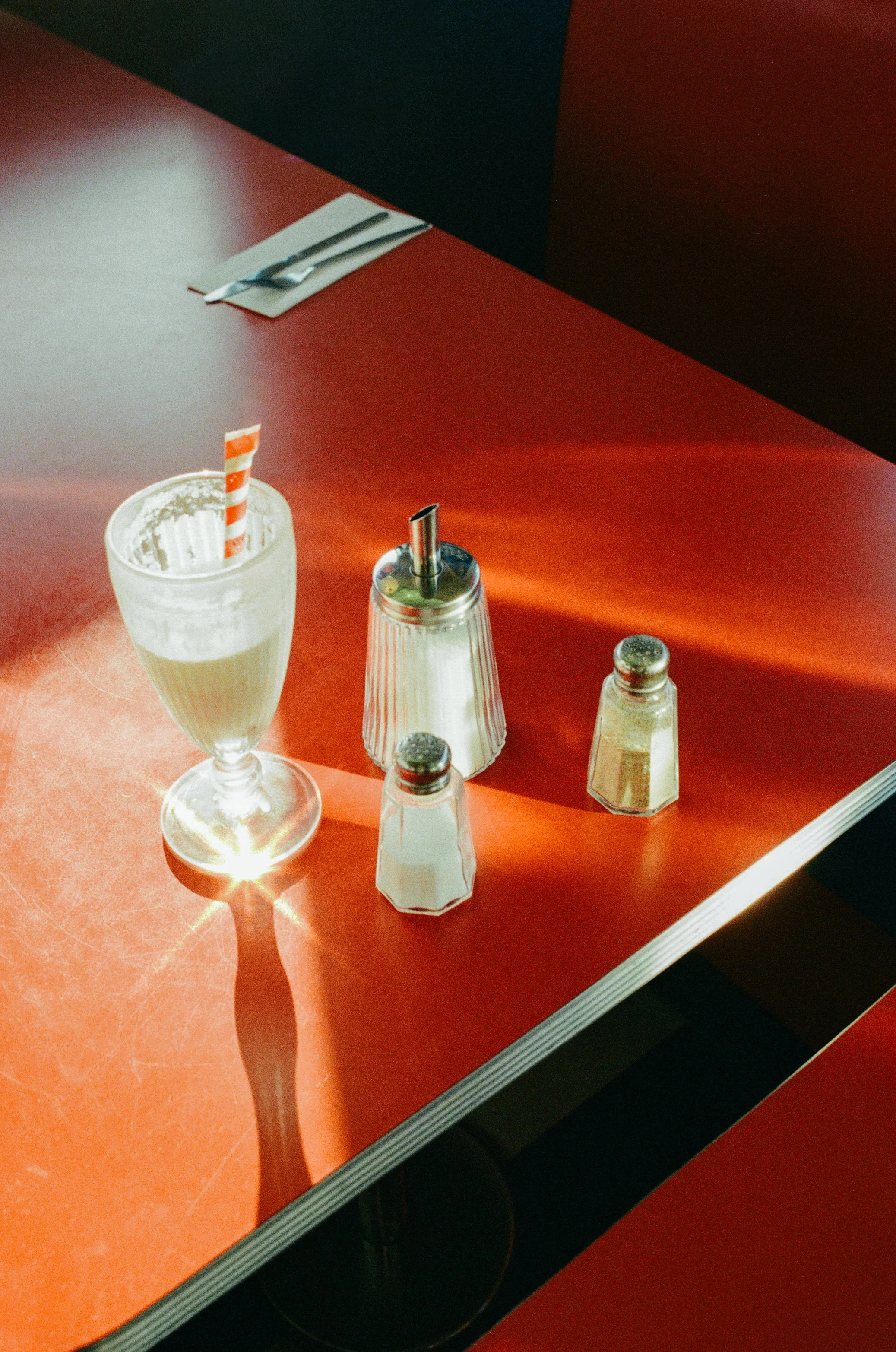
People often overlook how much is already happening visually in everyday spaces. I like using cropped composition to remove context and isolate these details so the viewer focuses on small interactions instead, whether that’s shifts in colour, subtle changes in tone, or the way shadows fall across a surface.
You mention being drawn to spaces that feel rooted in the past, what attracts you to that?
There’s a richness in older spaces, with a clearer relationship between people and their environments. They tend to have stronger character, more variation in shape, bold colours, and a more experimental approach to design. I’m drawn to spaces that feel colourful and full of personality, where there’s a kind of visual confidence in the use of colour and form.
What’s something you’ve learned by slowing down your shooting process?
Working more slowly has made me take fewer photographs, but with more intention behind each one. It becomes less about documenting everything and more about responding to what genuinely feels visually strong in the moment. It also means it takes me longer to get through a roll of film, but each shot feels more deliberate and considered, and more true to my style.
What kind of mistakes have helped shape your style the most?
Overthinking and hesitation, mainly. Early on I would spend too long questioning a frame or trying to perfect it before taking the shot, and more often than not I’d end up missing the moment completely.
Those mistakes taught me to trust my instinct more and respond in the moment rather than analyse everything too much. Now I try to commit when something feels right visually, and that’s really shaped the way I work
What made you decide that Colourway was the right moment to turn your work into a book?
I had been meaning to produce a book for a long time, and when Covid hit, it felt like the right moment to put all my focus into this project. When I began compiling the images, I realised the earliest was taken in 2010 and the most recent in 2020, so it felt like a fitting way to mark a decade of work.
I initially created a zine, then developed it into a perfect-bound book, but eventually felt I wanted something more like a coffee table book that could sit in spaces and be lived with rather than just viewed.
What film camera and film do you use the most?
I have quite a large collection of cameras that have been passed down or accumulated over the years, but I am a creature of habit and usually rotate the same few. The Canon A-1 is timeless and reliable, and most of my favourite shots have been taken on it. I will also always have my Muji II in my pocket. It’s easy to carry and allows me to shoot more intuitively.
I also keep my film choices fairly consistent. Kodak Portra, Gold, and Ultramax are the stocks I return to most, and whenever I’ve experimented beyond them, I’ve always ended up coming back because they suit my style and the way I like colour to be rendered.
How do you want your work to be remembered over time?
One of the most meaningful compliments I’ve received is when people say they can recognise my photographs straight away. Over the years I have developed a consistent visual language, and in such a saturated industry, having work that feels distinctive is something to be proud of.
I would like my work to be remembered as intentional. I hope it continues to invite curiosity, so that people can return to the images and notice something new in the colour, composition, or feeling each time they look.